

Akiva: The Jewish Camp Learning Institute
The Jewish life of a camp is shaped in countless ways by the vision and leadership of its director. Yet many camp directors have had little opportunity for sustained Jewish learning or educational leadership development. Akiva: The Jewish Camp Learning Institute is a 20-month cohort program for senior overnight camp professionals that deepens their Jewish learning and equips them to strengthen Jewish life at the camps they lead.
Through five immersive seminars—including four four-day seminars in North America and a seven-day seminar in Israel—participants learn with outstanding Jewish educators, artists-in-residence, faculty advisors, and one another. Text study, creative expression, reflection, joyful relationship-building, and practical skill development support Fellows in their growth as Jewish learners and leaders.
The program is not intended to fill every gap or provide an exhaustive survey of Jewish learning. Instead, it offers camp leaders a meaningful foundation for continued growth as Jewish educational leaders, inspiring a lifetime of Jewish learning, leadership, and living.
Akiva Institute is named for Rabbi Akiva, one of the greatest sages of the Jewish people, who began his study of Torah as a 40-year-old shepherd. The program builds on the strong foundation of Lekhu Lakhem, a beloved initiative created by the Jewish Community Center Association that brought together four cohorts of camp directors in the early 2000s and 2010s. Akiva Institute continues Lekhu Lakhem’s legacy while adapting to the opportunities and challenges facing Jewish camps today.
Through their participation in Akiva Institute, participants will:
- Engage in meaningful, accessible, and enriching Jewish learning that sparks curiosity, confidence, and passion.
- Develop stronger identities as Jewish leaders and educators.
- Explore core principles of Jewish education and vision as they relate to camp leadership.
- Articulate a Jewish educational vision for their camps and develop the confidence, skills, and practical strategies to bring that vision to life.
- Build relationships with a cohort of camp leaders who share a commitment to the Jewish educational potential of camp.
- Cultivate a desire and direction for continued Jewish learning, reflection, and educational leadership beyond the seminar experience.
Akiva Institute uses four primary structures to support learning, reflection, and application:
Group Seminars
The program includes five seminars: four four-day seminars in North America and one seven-day seminar in Israel. These immersive experiences help participants develop a rich collegial network rooted in Jewish learning, deepen their connection to Israel, and strengthen their sense of shared commitment. All seminars will be led by the Project Director and faculty advisors, along with guest educators and artists-in-residence.
Individual and Small-Group Learning
Faculty advisors will facilitate biweekly, hour-long text study sessions on Zoom with groups of five participants (excluding May-August). These sessions provide continuity and additional meaningful learning between seminars while allowing for more individualized exploration and reflection.
Summer Site Visits
During summers 2027 and 2028, faculty advisors will visit participants at their camps. These visits will give each participant and faculty advisor an opportunity to observe camp life in action and consider how learning from Akiva Institute can be applied in that camp’s unique setting.
Capstone Project
Each participant will develop and implement a project for their camp rooted in their emerging Jewish educational vision. FJC will provide up to $1,500 in matching funds for each Fellow’s capstone project.
Project Director
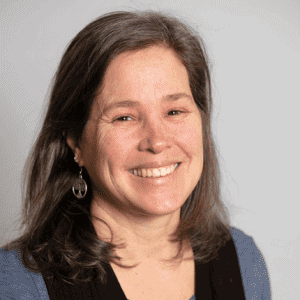
Amy Meltzer
Amy Meltzer (she/her) is Project Director of Akiva Institute and Foundation for Jewish Camp’s Director, Training and Talent Development. Since joining FJC’s Jewish educational team in 2022, she has brought extensive experience in family education, experiential Jewish education, and professional learning. Before joining FJC, Amy worked at PJ Library, where she designed in-person and virtual learning for family engagement professionals. She was also a longtime kindergarten teacher at Lander-Grinspoon Academy and designed family education for the school and Abundance Farm.
Amy is the author of three children’s books—A Mezuzah on the Door, The Shabbat Princess, and Harvest Blessings—as well as the Jewish parenting blog Homeshuling. A former Outward Bound wilderness guide and camp trip leader, she was the founding director of the Teva Learning Center. Amy received the 2015 Covenant Award for excellence in Jewish education and is a Fellow in the Mandel Educational Leadership Program. She holds an M.A. in Education from Smith College and a B.A. from Wesleyan University and spent two years as a Beit Midrash Fellow at the Drisha Institute.
Akiva Institute Faculty
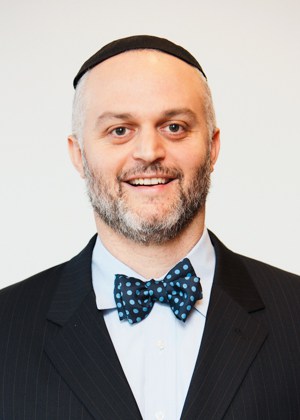
Rabbi Avi Orlow
Rabbi Avi Orlow (he/him) is Foundation for Jewish Camp’s Scholar-in-Residence. Before joining FJC in 2008, Avi served as Campus Rabbi and Assistant Director of the St. Louis Hillel at Washington University and held numerous roles as a rabbi, educator, and youth leader. He spent 17 years as a camper and educator at Ramah camps in Pennsylvania and Wisconsin and at YUSSR camps in the Former Soviet Union.
Avi holds a B.A. in Religious Studies from Columbia University and was ordained as a member of the charter class at Yeshivat Chovevei Torah. He lives in White Plains, New York, with his wife, Cantor Adina Frydman, and their children.
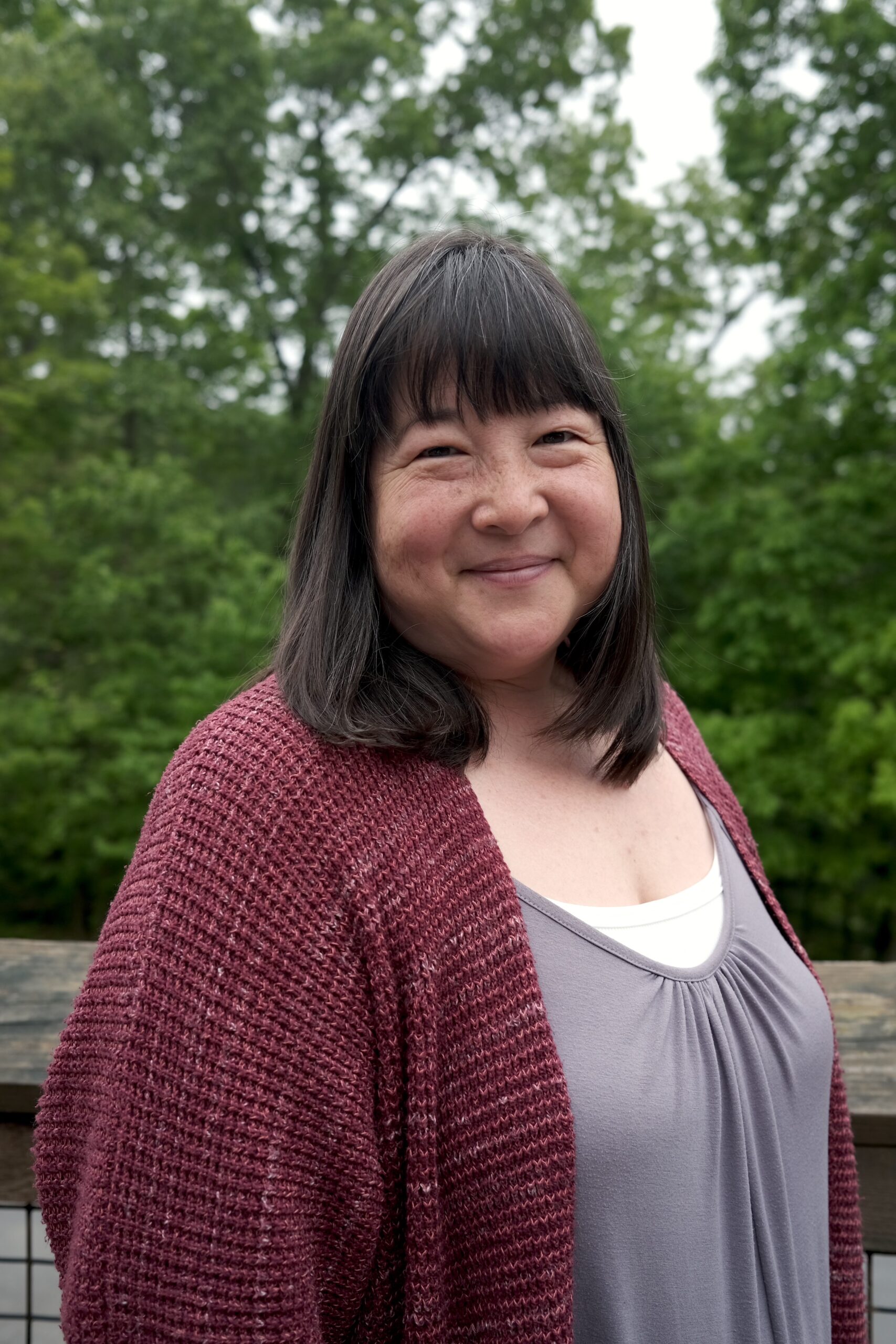
Akiko “Aki” Yonekawa
Aki Yonekawa (she/her) is an educator, song carrier, and ritualist based primarily in Cambridge, Massachusetts, and occasionally in Los Angeles. She grew up attending Wilshire Boulevard Temple Camps and worked at camps and synagogues as a counselor and religious school teacher throughout her teen and college years. In 2001, she joined Camp Alonim at Brandeis-Bardin for what she expected would be one final summer before beginning a “grown-up job.” More than two decades later, she still packs her bags to return each summer.
At Camp Alonim, Aki has served as a nature specialist, division head, advisor, mentor, assistant director, folk dance teacher, prayer leader, program director, and more. Through these experiences, she has learned that no task is too small, everything can be holy, and a “grown-up job” is less about the job itself than the kind of grown-up one hopes to become.
Aki studied Art History at Occidental College and earned an MBA in Nonprofit Management and an M.A.Ed. with concentrations in Israel Education and Experiential Education from American Jewish University. She has immersed herself in Jewish text study through Pardes, Yashrut, and SVARA and in songleading through the Center for Belonging Folk School, Hadar’s Rising Song Institute, Let My People Sing, and Songleader Boot Camp. She also enjoys walking in beautiful places, birdwatching, and urban and nature sketching.
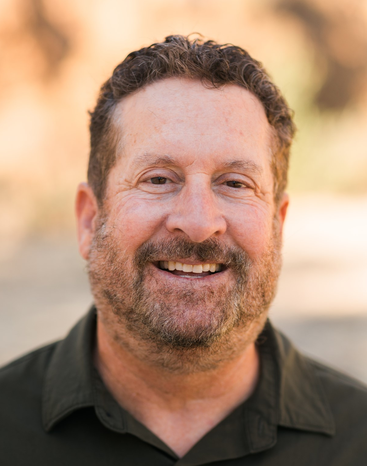
Rabbi Bill Kaplan
Rabbi Bill Kaplan is the Chief Executive Officer Emeritus of Shalom Institute, a year-round experiential Jewish and environmental education center in Malibu, California, where he served for 36 years. Shalom Institute is a hub of Jewish life in Southern California, with programs including Camp JCA Shalom; Camp Gesher, an overnight camp for Russian-speaking Jewish children and families; Shemesh Farms, an employment initiative and social enterprise for adults with special needs and diverse abilities; and year-round retreats and programs for Jewish communal organizations.
As a rabbi and Jewish educator, Rabbi Bill uses nature, organic gardens, and biblical gardens to teach Torah, Israel, Jewish culture, holidays, and history through a model he calls Edible Judaism. He also provides rabbinical services to Malibu Jewish Center & Synagogue and officiates lifecycle events.
Rabbi Bill holds a B.A. from Wesleyan University, an MBA in Nonprofit Management from American Jewish University, and rabbinical ordination from the Academy for Jewish Religion in Los Angeles. He recently completed his third term on the Board of Directors of the Jewish Community Centers Association of North America and serves on the Steering Committee of the Board of Rabbis of Southern California.
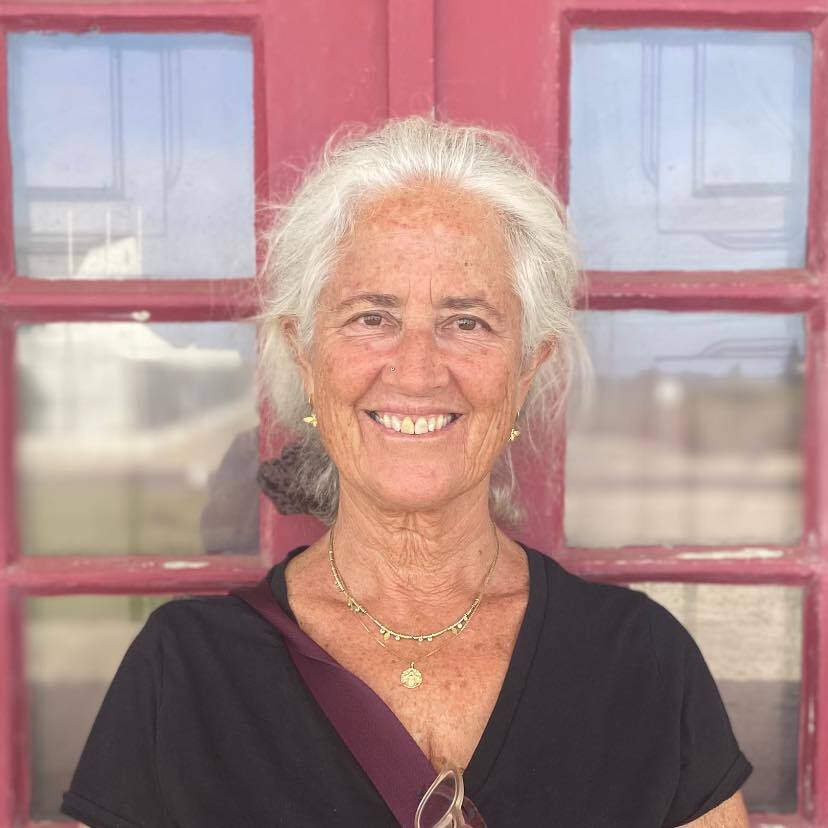
Rabbi Deborah Newbrun
Rabbi Deborah Newbrun directed Camp Tawonga for 25 years. Her career as a Jewish leader, particularly in Jewish environmental education, spans nearly 40 years. She served for four years as Hazon’s Bay Area Director, was a founding board member of Wilderness Torah, and co-authored the groundbreaking book Spirit in Nature: Teaching Judaism and Ecology on the Trail, which helped shape the early curriculum of the Teva Learning Center.
A nationally recognized Jewish educator, Deborah received the prestigious Covenant Award in 2018. She has served on the faculty of multiple fellowships for resident summer camp directors, including Lekhu Lakhem, Hiddur, and Yitro. She also co-founded SVARA’s Queer Talmud Camp and Tawonga’s LGBTQ family weekend, Keshet.
Deborah is the founder and director of Divorce & Discovery: New Visions for Jewish Healing, a nonprofit working to transform how the Jewish community responds to divorce. The organization has led retreats for more than 200 alumni, as well as trainings for rabbinical students and workshops for rabbis. Before entering the Jewish nonprofit world, Deborah was a National Park Service ranger. She is known for her engaging, creative approach to Jewish education and for bringing deep spirit to her teaching. She is the mother of two adult sons.
Participants are expected to attend and actively participate in all required program activities, including:
- Biweekly, hour-long small-group text study sessions on Zoom in between seminars (excluding May-August)
- Four four-day, in-person seminars in North America.
- One seven-day, in-person seminar in Israel.
- Biweekly, hour-long small-group text study sessions on Zoom outside the summer camp season.
- Hosting a faculty advisor for summer site visits in 2027 and 2028.
- Ongoing work with a faculty advisor.
- Development and implementation of a capstone project at their camp.
Required Dates
Locations are subject to change.
- Orientation: January 6, 2027 (1-2 PM ET) — Orientation (virtual)
- Seminar 1: March 1–4, 2027 — Camp Ramah in California
- Summer Site Visits: Summer 2027
- Seminar 2: September 13–16, 2027 — Berkshire Hills Eisenberg Camp
- Seminar 3, Israel Seminar: December 7–16, 2027 — Israel
- Seminar 4: February 28–March 2, 2028 — CYJ Texas
- Summer Site Visits: Summer 2028
- Seminar 5 and Final Gathering: October 16–19, 2028 — Location to be announced
Camp Commitments
Participating camps must:
- Sponsor each Fellow’s participation in Akiva: The Jewish Camp Learning Institute with a $3,000 program fee.
- Cover the Fellow’s round-trip airfare and incidental expenses for the Israel seminar that exceed $2,000. Foundation for Jewish Camp will cover the first $2,000 of airfare and all other seminar costs, including ground transportation, lodging, and meals.
- Purchase and administer the Camper Satisfaction Insight (CSI) and Staff Satisfaction Insight (SSI) surveys at camp during summers 2027 and 2028.
FJC does not want cost to be a barrier to participation. Camps for which the program fee may present a significant challenge are still encouraged to apply and should contact FJC to discuss their circumstances.
Eligible Candidates
At Foundation for Jewish Camp, we value diversity and equal opportunity. We are committed to building a cohort that represents a variety of backgrounds, experiences, perspectives, and skills because our work—and our field—becomes stronger when it is more inclusive.
Applicants should:
- Be full-time, year-round professionals, including Executive Directors, Camp Directors, Associate Directors, Assistant Directors, and other year-round leaders who help shape Jewish life and learning at overnight camps in the FJC network.
- Have at least three years of camp leadership experience.
- Not have extensive formal training in Jewish studies or Jewish education.
- Be open to personal Jewish learning and reflection.
- Be comfortable learning in a pluralistic Jewish environment.
- Be eager to strengthen the Jewish educational vision at their camp.
- Have the support of camp leadership to participate fully and apply their learning.
We are unlikely to accept more than one Fellow per camp. However, multiple staff members from the same camp who meet the eligibility criteria are encouraged to apply.
Application Process
The inaugural Akiva cohort will include up to 20 Fellows selected through a process that includes written applications and interviews with finalists. Applications must be submitted by October 23, 2026, to be considered.
Important Dates
- Optional Virtual Information Session: September 15, 2026, at 3 p.m. ET — Register here
- Applications Open: September 22, 2026
- Optional Virtual Information Session: October 1, 2026, at 1 p.m. ET — Register here
- Applications Close: October 23, 2026
- Interviews: October 26–November 6, 2026
- Applicants Notified: November 13, 2026
Applications are now open and will be accepted through October 23, 2026.
Please email Akiva Institute Project Director Amy Meltzer at amy.meltzer@jewishcamp.org with any questions. The program will run from March 2027 through October 2028.